Affirming Diversity, Affirming People: Sonia Nieto Enters the Multilingual Education Hall of Fame
At NABE 2026, Sonia Nieto joined the Multilingual Education Hall of Fame — honoring a lifetime affirming the languages, cultures, and humanity of every student.
By
Amelia Larson
Share this post
Table of contents
TL:DR: At NABE 2026, Sonia Nieto was inducted into the Multilingual Education Hall of Fame — a recognition not just of a field-defining career, but of a lifetime spent insisting that students' languages, cultures, and identities are sources of strength. Across 16 books, decades of mentorship, and countless classrooms shaped by her ideas, Nieto transformed how educators understand equity, belonging, and what it means to truly see a child. Her scholarship and her humanity were never separate — and that is precisely what made her work so powerful.
There are some people whose influence extends far beyond their scholarship. People whose work changes not only how we teach, but how we see one another. Sonia Nieto is one of those rare human beings.
A Long-Awaited Honor at NABE 2026
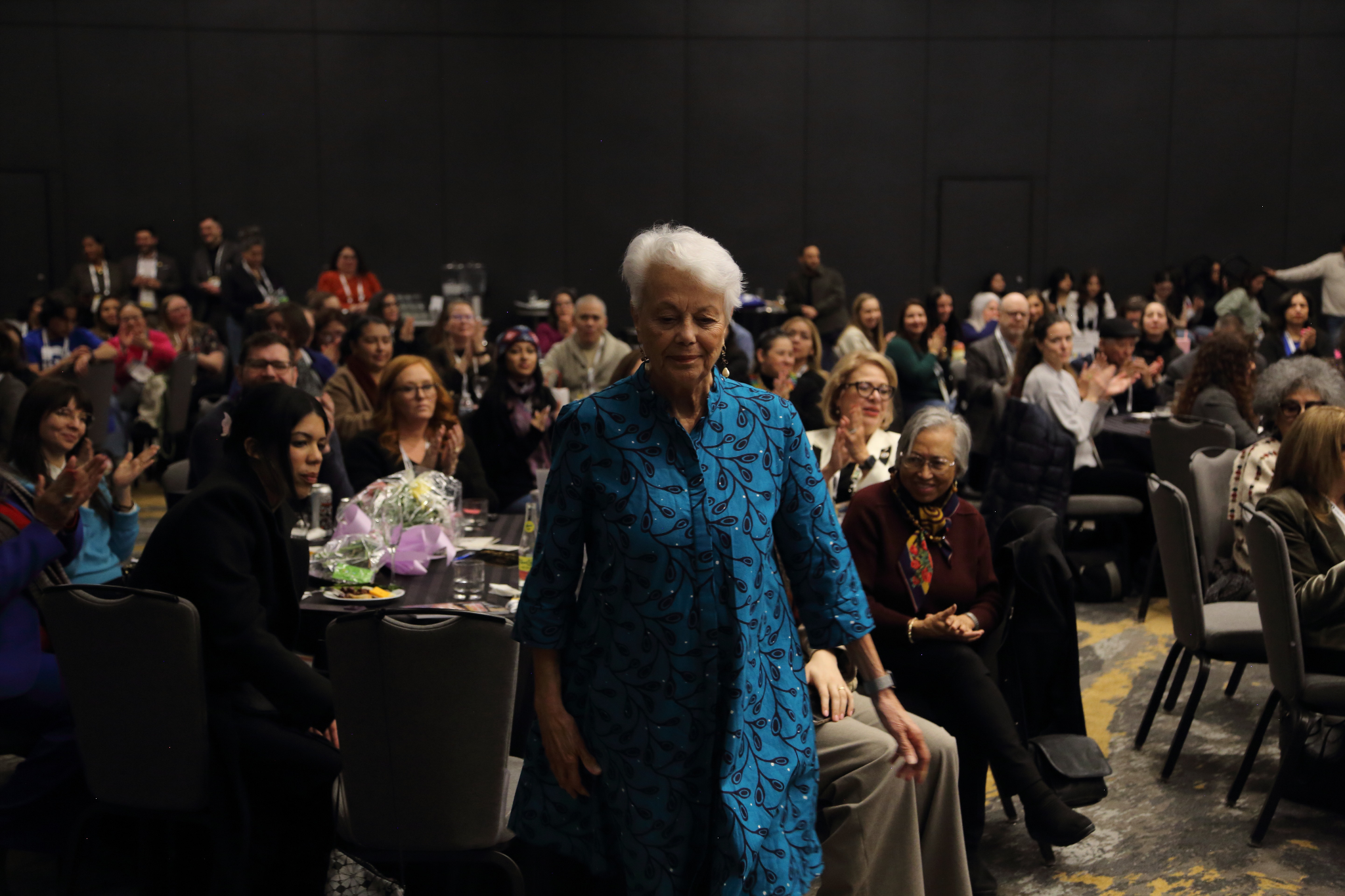
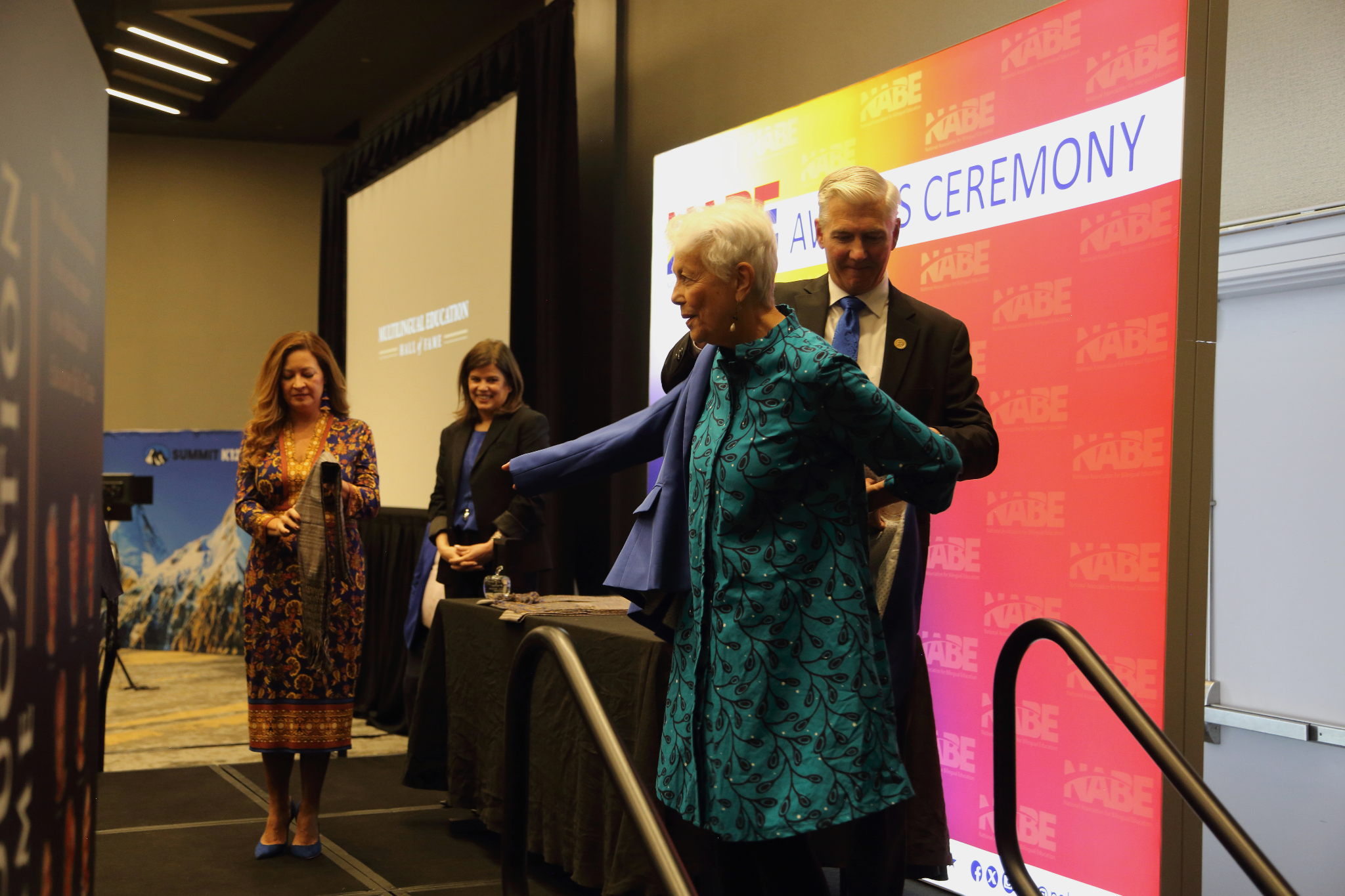
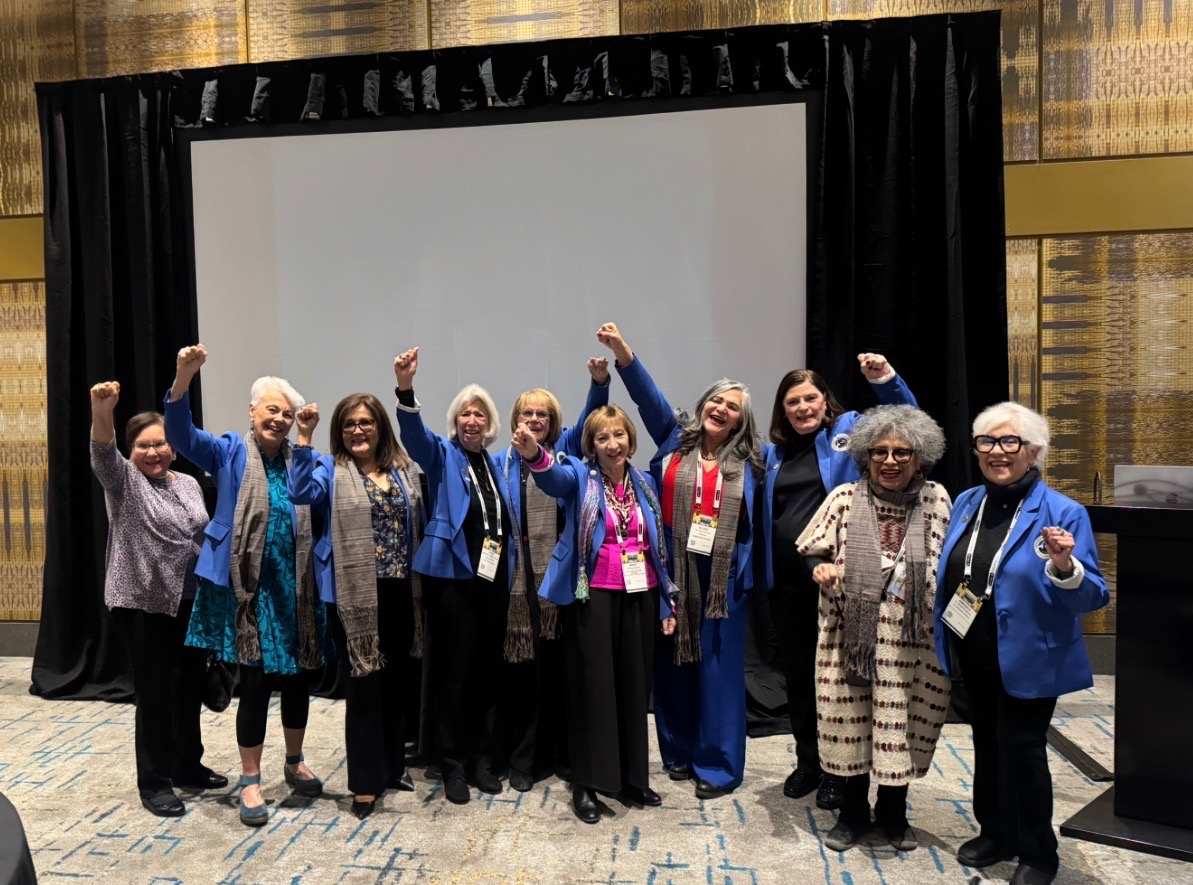
At the 2026 convention of the National Association for Bilingual Education, the Multilingual Education Hall of Fame welcomed Sonia Nieto into its second cohort of inductees. The induction, led by Miguel Cardona, was emotional, deeply deserved, and profoundly meaningful for generations of educators whose lives and careers have been shaped by her work.
Sonia Nieto’s influence on education cannot be measured only by awards, titles, or citations—although those are extraordinary. Her work helped define multicultural education for generations of educators, researchers, and teacher preparation programs across the United States and beyond.
Defining a Field Through Scholarship
Her landmark text, Affirming Diversity: The Sociopolitical Context of Multicultural Education, became one of the foundational books in the field and was later recognized as one of the 100 books that helped define education in the twentieth century. But Sonia’s impact extended far beyond a single publication. Across 16 academic books, dozens of journal articles and book chapters, keynote addresses, mentoring relationships, and decades of advocacy, she consistently challenged educators to connect teaching with humanity, equity, language, identity, and social justice.
At a time when multilingual learners and culturally diverse students were too often viewed through deficit perspectives, Sonia insisted on a radically different vision: students’ languages, cultures, histories, and identities are sources of strength—not barriers to overcome.
Her scholarship helped shape teacher education programs across the country and influenced how educators think about literacy, culture, bilingualism, belonging, and educational opportunity. She gave educators permission to teach with both intellectual rigor and humanity—it is central to creating schools where all children can thrive.
Reshaping How We Understand Classrooms
At the center of Sonia Nieto’s work was a profound belief that schools are never culturally neutral spaces. Her work in multicultural education fundamentally reshaped how educators understand identity, culture, language, equity, and belonging inside classrooms. Long before these conversations became common in education, Sonia courageously argued that students should never have to leave their languages, histories, families, or identities at the schoolhouse door to succeed.
She helped educators understand that multicultural education is not about celebrating holidays or adding isolated cultural references to curriculum. It is about recognizing the humanity of every child. It is about ensuring students see themselves reflected in what they learn, how they learn, and how they are valued inside schools. It is about confronting inequities honestly while building classrooms rooted in dignity, respect, and opportunity.
That perspective transformed the field.
The Questions That Changed Education
More importantly, she challenged educators to interrogate the hidden assumptions embedded within schools and curriculum. She pushed educators to ask deeper questions:
Whose voices are centered?
Whose knowledge is valued?
Whose language is honored?
Who feels like they belong?
Those questions helped move multilingual and multicultural education beyond compliance and into humanity.
The Humanity Behind the Work
And yet, despite her enormous influence, Sonia has always remained remarkably grounded.
People who know Sonia often speak less about her accomplishments and more about how she makes others feel: seen, encouraged, valued, inspired. She listens carefully. She speaks with wisdom but never with ego. She leads with conviction without losing kindness. In many ways, the humanity behind her work is exactly what made the work so powerful.
That is why this Hall of Fame induction felt so significant.
It was not simply recognition for an extraordinary career. It was gratitude for a lifetime spent helping educators build schools where children are fully seen—not just academically, but culturally, linguistically, and personally.
The standing ovation at NABE 2026 was not just applause for books written or lectures delivered.
It was appreciation for the countless educators she inspired to teach differently. The multilingual students she helped feel valued. The future teachers she empowered to lead with courage and compassion. The humanity she brought into every conversation about education.
A Legacy Inseparable From Its Author
Some scholars influence research. Some educators influence classrooms. Sonia Nieto helped transform the soul of multicultural and multilingual education itself.
What makes Sonia Nieto’s legacy especially powerful is that her scholarship and her humanity were never separate things. The warmth, dignity, courage, and compassion people experience in her presence are the same qualities embedded throughout her work. She did not simply write about affirming students—she affirmed people everywhere she went.
And she did it not only through brilliance—but through grace, humility, and an unwavering belief in the dignity of children. The story of multilingual and multicultural education in America cannot be told without Sonia Nieto.
Many of today’s leaders in multilingual and multicultural education were first shaped by Sonia Nieto’s words as classroom teachers, graduate students, or young advocates trying to understand how education could become more just and more human. Her work continues to shape classrooms, teacher preparation programs, multilingual education, and multicultural education across the world.
.jpg)