NYSABE at 50: A Movement, Not a Milestone
At NYSABE's 50th anniversary, Dr. Ofelia García challenged the field to return to its roots as a liberation movement—not just a compliance program. Discover why.

At NYSABE's 50th anniversary, Dr. Ofelia García challenged the field to return to its roots as a liberation movement—not just a compliance program. Discover why.
The 50th anniversary of the New York State Association for Bilingual Education was more than a celebration—it was a reflection of a movement that has never stood still.
From its early days alongside leaders like Hernán LaFontaine, NYSABE has fought to ensure that bilingual education is not an afterthought, but a right.
Dr. Ofelia García has been part of that journey—not on the sidelines, but at the center of it.
Her work helped move the conversation:
Because language is not something students “do” in one block of the day.
It is how they experience everything.
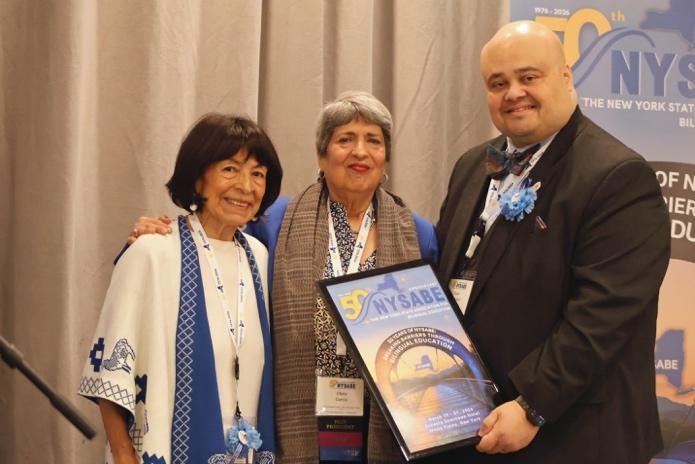
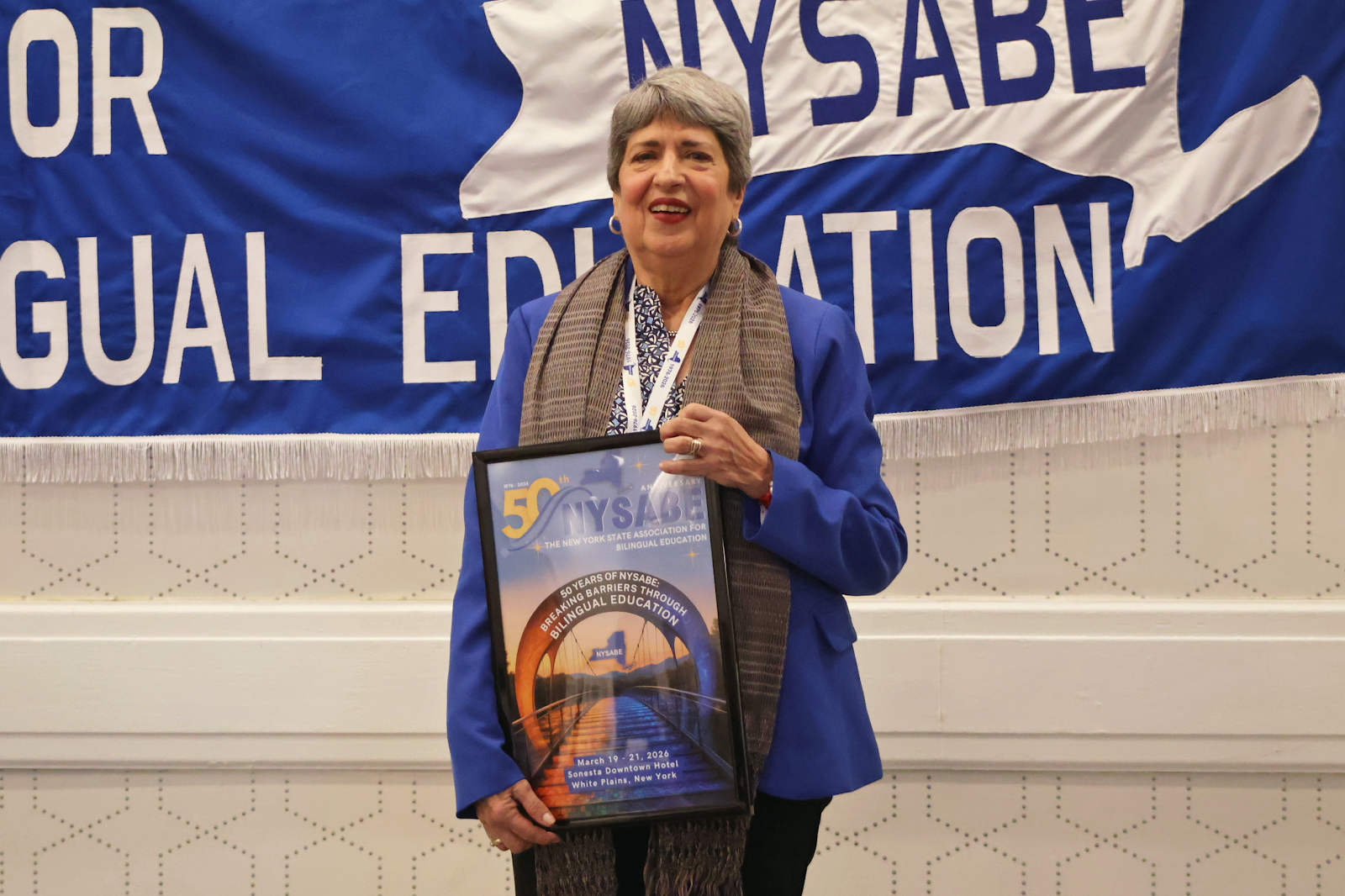
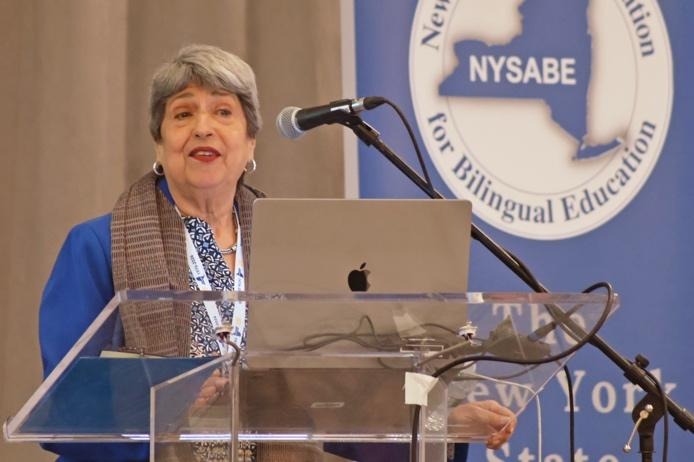
At the 50th Annual Conference, Dr. García’s keynote did not celebrate progress in the traditional sense.
It interrogated it.
Her message was grounded in a powerful truth:
Bilingual education did not begin as a program.
It began as a movement.
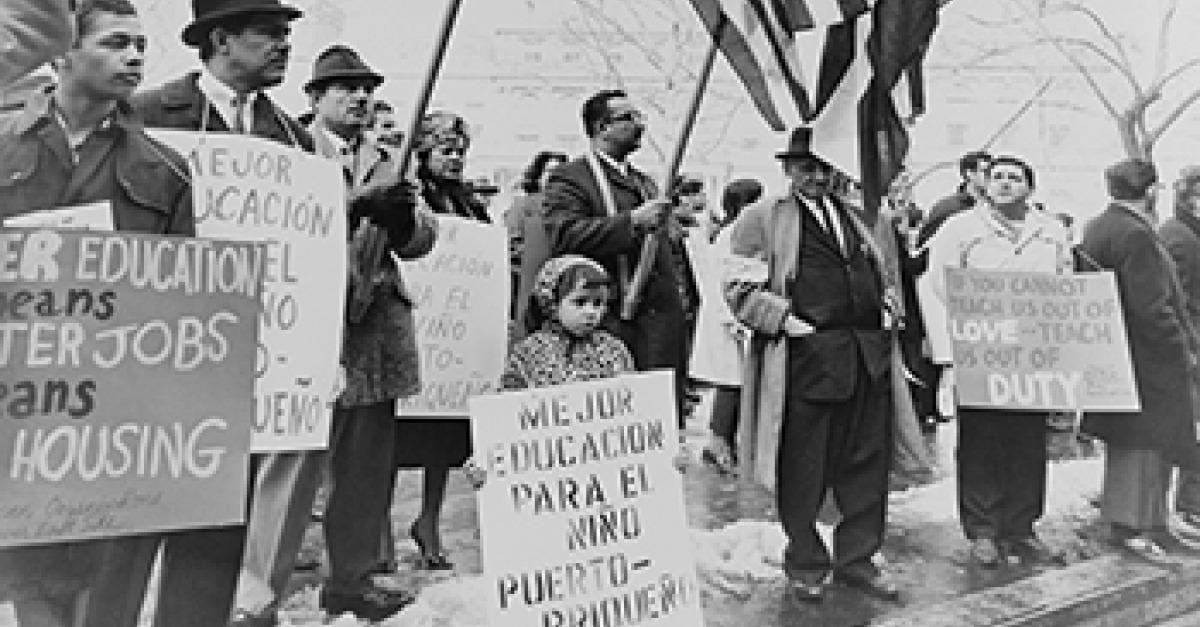
In the 1960s and 70s:
“50 años no es nada.” 50 years is nothing.
Not to diminish progress—but to challenge complacency.
This origin story matters because it reframes everything that followed.
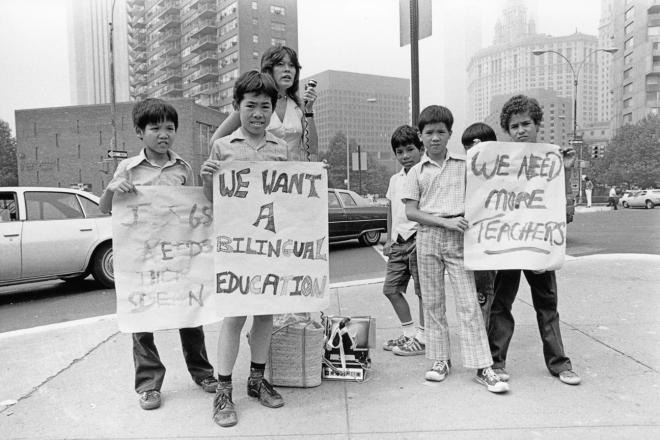
The Boricua pioneers—the educators and communities who built bilingual education—had a radically different vision.
Programs like PS 25 in the South Bronx were not handed down.
They were created by the community.
Their principles were clear:
Teachers were not implementers. They were:
That level of ownership—and courage—is something the field has not fully reclaimed.
That level of ownership—and courage—is something the field has not fully reclaimed.
One of the most striking moments in her keynote was also one of the most uncomfortable.
Dr. García traced how bilingual education evolved—and, in some ways, narrowed it.
Bilingual education was not created for language.
It was created for power, integration, and equal citizenship.
But over time, something shifted.
Policy reframed bilingual education:
Language became a proxy—sometimes even a distraction—from deeper inequities.
Policies like the Bilingual Education Act of 1968 and Lau v. Nichols expanded access—
But also reframed the purpose.
Students became “limited English proficient.”
Systems became focused on what students lacked.
Programs became transitional.
And language—rather than equity—became the focus.
Dr. García called this what it is: A “sociolinguistics of absence.”
From Deficit to Presence: The Shift We Still Haven’t Finished
From Deficit to Presence: The Shift Still in Progress
Dr. García’s most powerful contribution may be how she reframed bilingualism itself.
Not as:
But as a dynamic, unified repertoire.
This is the foundation of translanguaging.
Her example of a student named Paco made it unmistakably clear:
When a child blends languages, they are not confused.
They are making meaning more precisely—drawing from culture, memory, identity, and experience.
The problem is not the child.
The problem is the lens.
Because when educators are trained to see “errors,” they miss what is actually happening:
Sophisticated, adaptive meaning-making.
This is the shift:
One of the most overlooked truths she surfaced:

The implication is profound:
We are not educating “English learners.”
We are educating bilingual and multilingual students—on a continuum.
But our systems haven’t caught up.
Dr. García closed with three lessons—rooted in the Boricua movement—that should shape the next 50 years.
It must confront structural inequity—not as a side issue, but as a design principle.
Bilingual education cannot remain a pathway to English.
It must become a system that develops bilingual people.
Not just as instructors—but as:
Because policy cannot replace imagination.
And the curriculum cannot replace humanity.
Dr. García ended with a quiet but urgent call—echoing Bob Dylan:
“The times are changing.”
But history tells us something more important:
Change does not come from policy alone.
It comes from people.
From communities who refuse to be invisible.
From educators who refuse to narrow their vision.
From leaders who refuse to design systems that leave students behind.
Her keynote was not nostalgic.
It was directional.
The field did not begin with policy.
It began with people who refused to accept the status quo.
And the question now is simple:
Will the next 50 years be shaped by systems—
or by the same kind of courage that built the first 50?
Dr. García left the field with questions—whether spoken or implied—that demand answers: