Discover what’s new!
Explore how each release unlocks yet more possibilities for your Emergent Bilingual learners by enhancing data, sharpening instruction, and elevating the Summit experience for admins, teachers, and students.
.
We're celebrating 7 years of Summit K-12 with 7 Magnificent Enhancements
Our solutions are dynamic by design
State standards shift, classroom expectations grow, and student needs evolve, and the we keep pace with every change so that both you and your students are set up for success.
Each of these updates is shaped to make your daily work simpler, your reporting clearer, and your students' outcomes stronger.
Explore how each release unlocks yet more possibilities for your Emergent Bilingual learners by enhancing data, sharpening instruction, and elevating the Summit experience for admins, teachers, and students.
The PLP engine that powers Connect to Literacy is sharper, more consistent, and aligned to your calendar. This year's enhancements deepen personalization, give district leaders more control, and give teachers richer signals about how every student is progressing.
PLP-1 placement now pulls directly from official state ELP scale scores, so every student starts the year at the right point. Districts skip the manual BOY setup, and daily instruction stays in lockstep with state data — making for a smoother launch, less admin lift, and a learning path that fits each student from day one.
Scale-score-driven placement provides far greater granularity than proficiency-level placement, so each student's PLP-1 reflects the nuances of their state data from day one.
A direct link between TELPAS results and the PLP keeps daily instruction in lockstep with the data your team is accountable to.
District teams move from manual setup to a streamlined data flow, freeing time during the busiest part of the year.
Teachers begin instruction with a path that already reflects each learner's true starting point, supporting earlier intervention decisions.
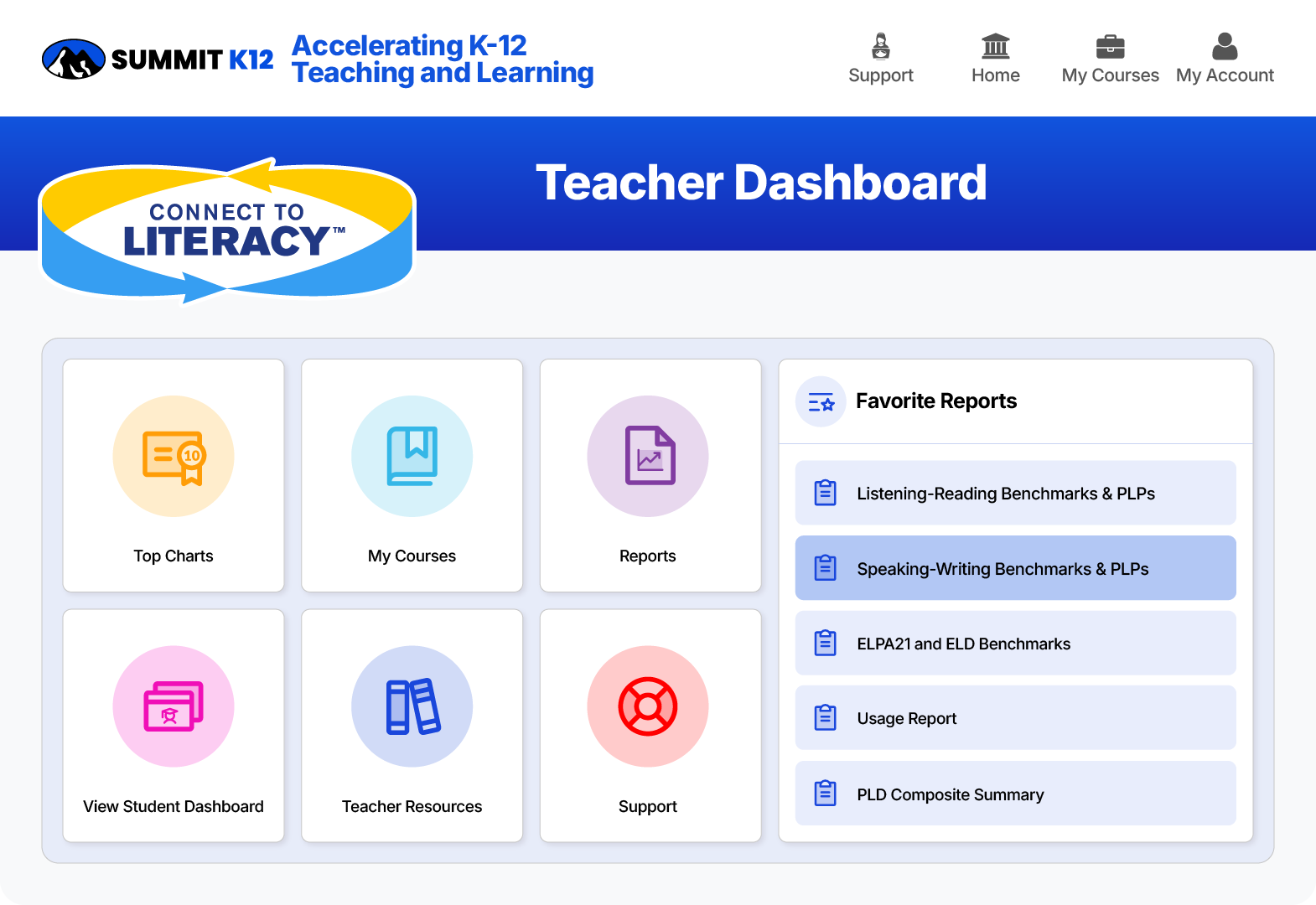
PLP pacing now syncs to your district's instructional calendar — holidays, assessment windows, and non-instructional days included. Edits recalculate instantly and log automatically, so pacing reports reflect your real school year and on-track conversations are grounded in the time students have.
Apply non-instructional days so that expected pacing recalculates immediately to match your district's actual instructional time.
Prepares students with test-aligned tasks to improve performance.
When pacing matches real calendars, leaders can intervene in time to ensure every student reaches their summit and reclassification timelines remain on-track.
A full log of every edit, with timestamps, user details, and change descriptions, provides the transparency district leaders need.
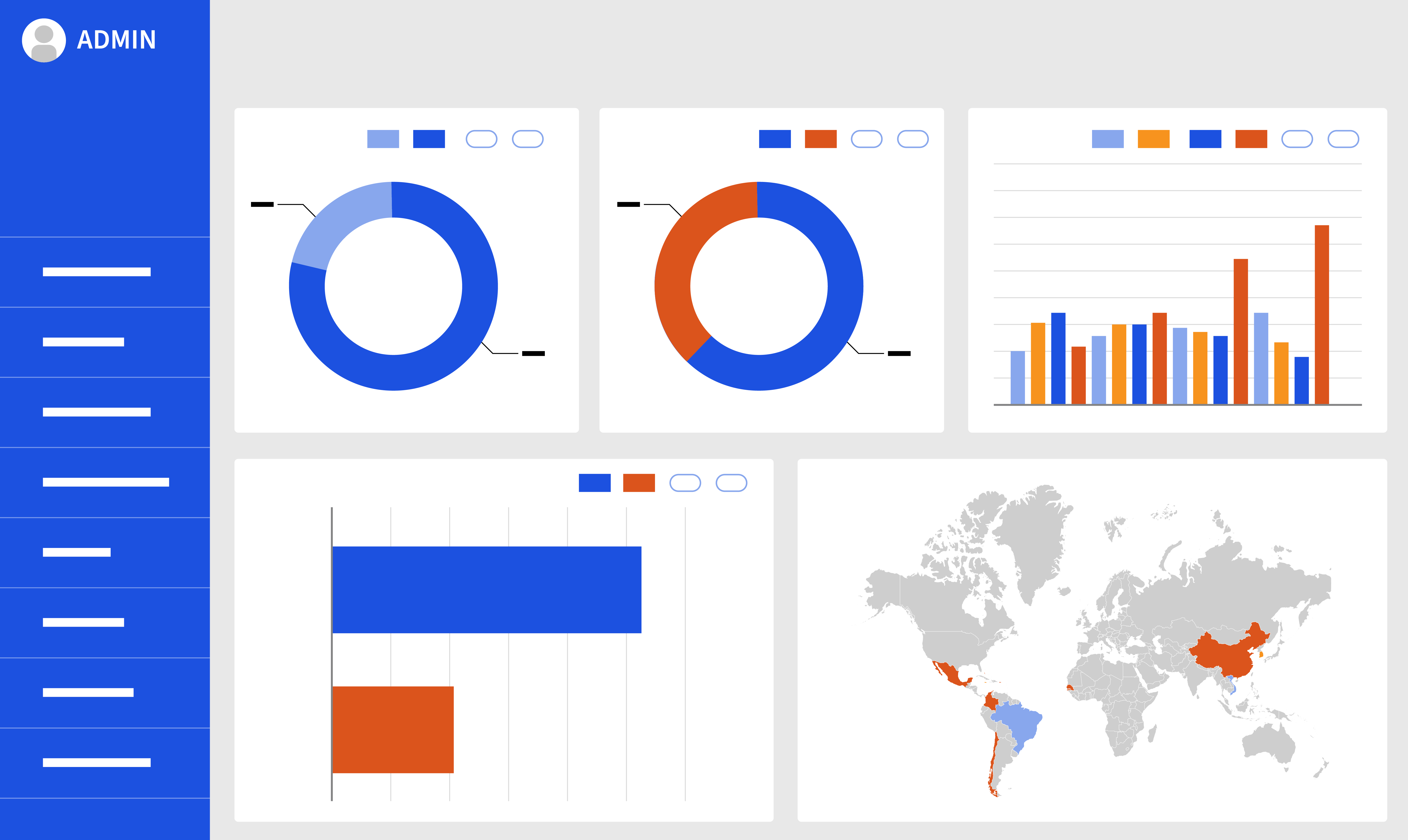
PLP-1, PLP-2, and PLP-3 durations are now standardized to fit a real school year, with time expectations calculated from task demand and recommended usage. Leaders gain a predictable cadence to plan around, and every classroom moves closer to the recommended 80-100 minutes.
Standardized PLP-1, PLP-2, and PLP-3 durations create a consistent cadence, helping leaders plan instruction, professional learning, and reporting cycles with confidence.
Recommended weekly usage maps cleanly to district instructional minutes, simplifying schedule planning and accountability reporting.
PLP pacing now syncs to your district's instructional calendar — holidays, assessment windows, and non-instructional days included. Edits recalculate instantly and log automatically, so pacing reports reflect your real school year and on-track conversations are grounded in the time students actually have.
Apply non-instructional days so that expected pacing recalculates immediately to match your district's actual instructional time.
Color-coded pacing lines that adjust to your calendar give teachers and admins a more accurate view of who is on track.
A full log of every edit, with timestamps, user details, and change descriptions, provides the transparency district leaders need.
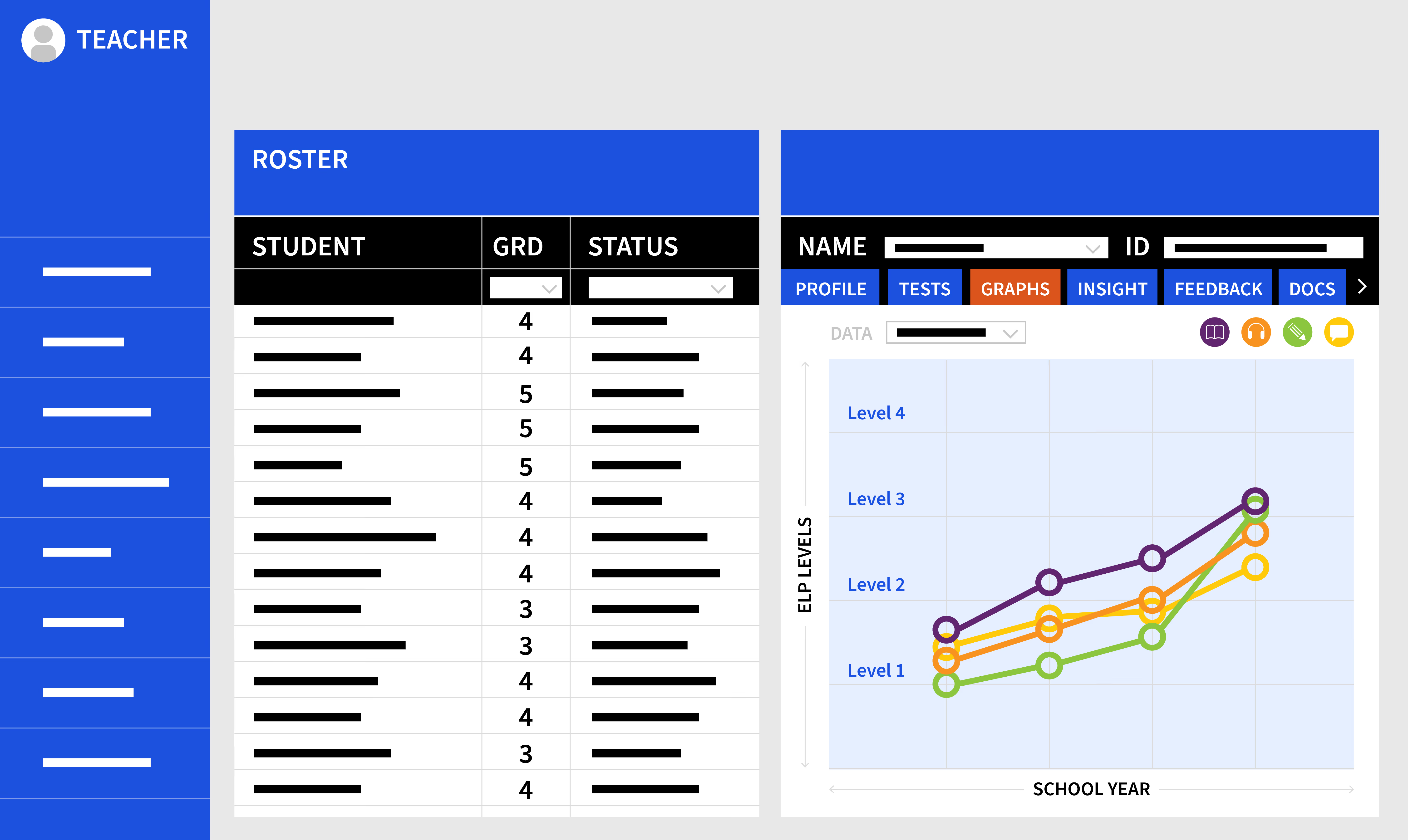
When pacing matches real calendars, leaders can intervene in time to ensure every student reaches their summit and reclassification timelines remain on-track.
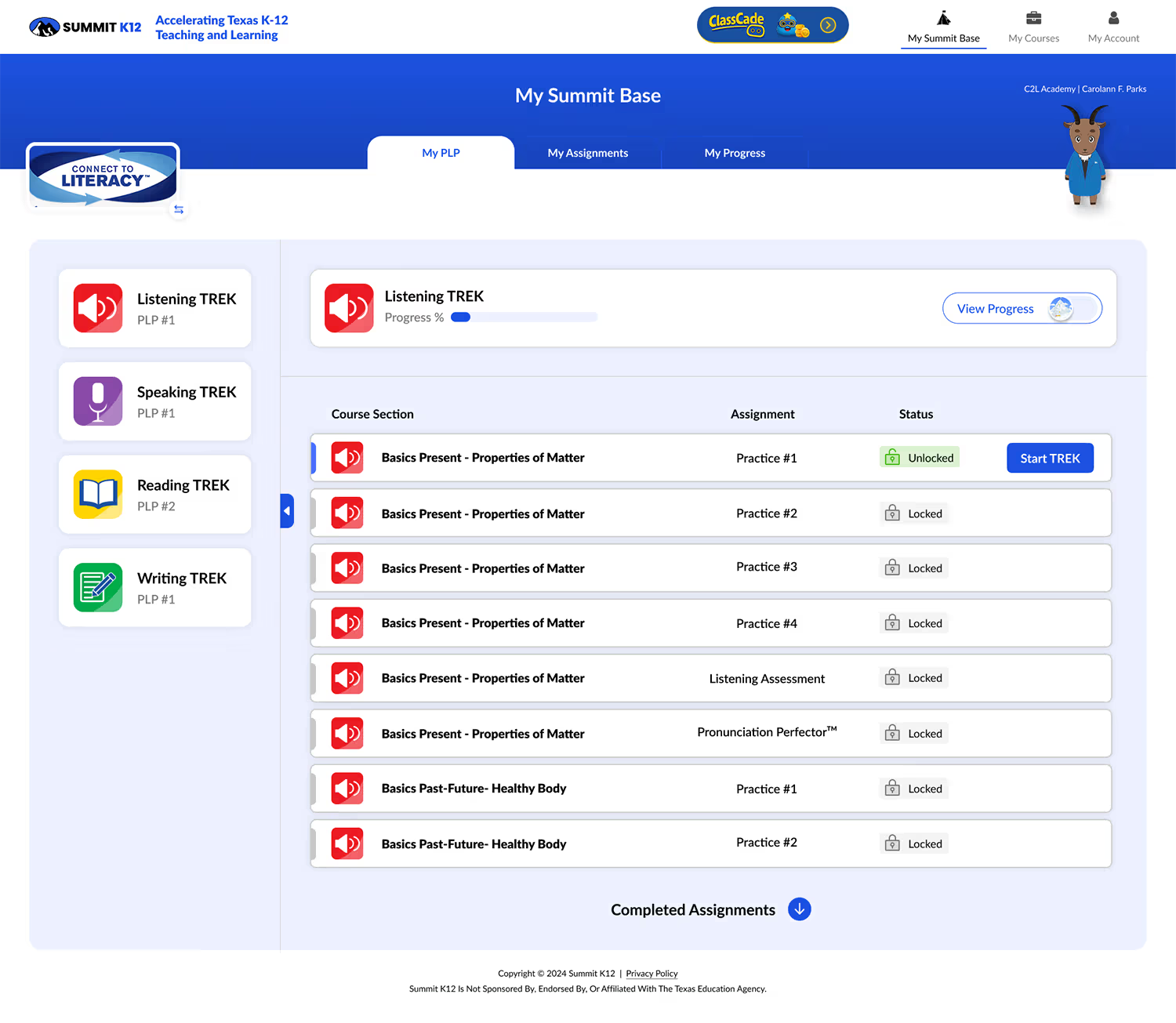
Connect to Literacy continues to expand across the K-12 multilingual learner journey, with new pathways for the youngest learners, fresh entry points for newcomers, and deeper accountability tools for district teams.
Provides structured, research-backed lessons to ensure students develop strong language skills.
Designed for small groups and individuals, adapting to students’ varying proficiency levels.
Gives educators real-time insights into student performance and growth.
Automatically evaluates responses to streamline scoring and feedback. Learn more about our AI Auto-Scoring.
Provides a clear instructional roadmap to support consistent language development.
Tracks student progress with data-driven insights for informed decision-making.
Prepares students with test-aligned tasks to improve performance.
Helps districts achieve and maintain high proficiency levels over time.
Ensures all EBs gain at least one proficiency level per year, backed by a money-back guarantee.
Uses validated assessment data to project TELPAS success.
Engaging instructional materials provide students with interactive learning experiences.
Ensures appropriate challenges based on each student’s proficiency level.
Targets individual student needs in listening, speaking, reading, and writing.
Available in 30+ languages to keep families informed about student growth.
Allows parents and guardians to participate in English learning alongside students.
Provides interactive sessions to support multilingual learners at home.
Lorem ipsum dolor sit amet, consectetur adipiscing elit. Suspendisse tincidunt sagittis eros. Quisque quis euismod lorem. Etiam sodales ac felis id interdum.
Get StartedUnlock your students' potential with our proven programs. Sign up for a free trial today!

