Martha Hernandez: A Legacy of Courage, Community, and Commitment
Explore Martha Hernandez’s impact on multilingual education—her advocacy, leadership, and lasting commitment to equity, community, and student success.
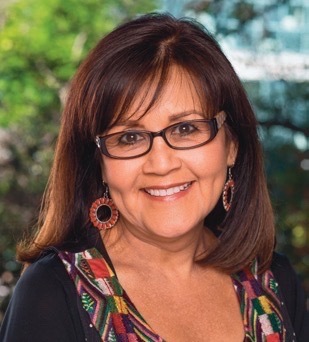
Explore Martha Hernandez’s impact on multilingual education—her advocacy, leadership, and lasting commitment to equity, community, and student success.
There are leaders who influence programs, and there are leaders who shape movements.
Martha Hernandez is the latter.
Her induction into the second cohort of the Multilingual Education Hall of Fame is not simply a recognition of a career—it is a recognition of a life’s work grounded in advocacy, service, and an unwavering belief in the brilliance of multilingual learners.
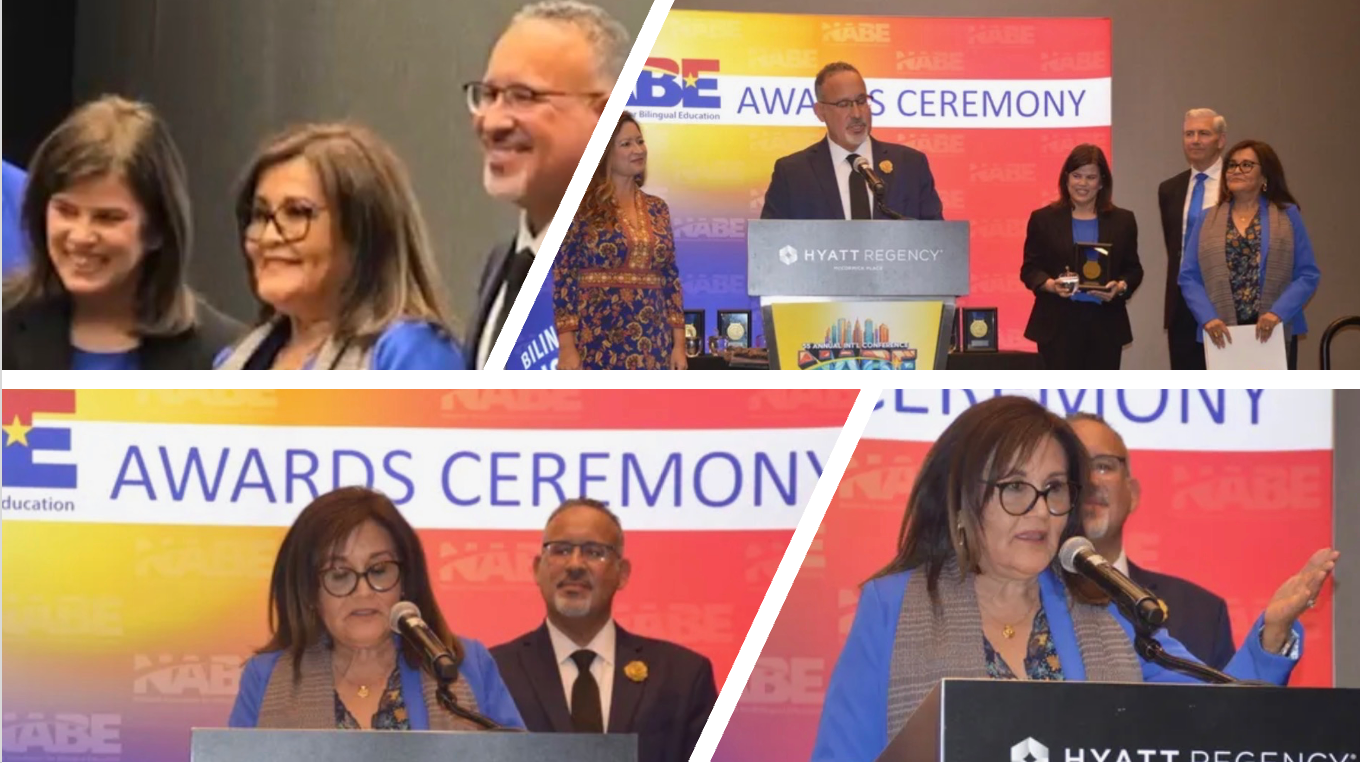
Martha’s work has never been about visibility or recognition. It has been about impact.
For decades, she has stood at the intersection of policy, practice, and community—ensuring that multilingual learners are not an afterthought, but a central focus of educational systems. She has been a consistent voice for students who are too often underserved and misunderstood, pushing systems to do better, to be better, and to expect more.
Her leadership reflects a deep understanding of what this work requires: not just technical knowledge, but courage. The courage to challenge deficit narratives. The courage to advocate in spaces where multilingual learners are not always prioritized. And the courage to remain grounded in the belief that language is an asset, not a barrier.
Centering Students and Families
What distinguishes Martha’s legacy is not only what she has built, but who she has centered.
At the heart of her work are students and families—particularly those whose voices are too often unheard. She has consistently elevated the importance of partnerships with families, recognizing that education does not happen in isolation. It is shaped by culture, language, identity, and community.
Her work reminds us that effective multilingual education is not only about instruction. It is about belonging.
Martha Hernandez has helped move the field beyond isolated initiatives toward sustainable, coherent systems.
She understands that real change does not come from a single program or policy. It comes from alignment—across curriculum, instruction, professional learning, and leadership. It comes from building systems where multilingual learners are supported every day, in every classroom, not just in pockets of excellence.
Her influence can be seen in the leaders she has mentored, the programs she has shaped, and the policies she has helped advance. That is the mark of lasting impact.
Her induction into the Multilingual Education Hall of Fame is both a celebration and a call to action.
It is a celebration of everything she has contributed to this field—the students she has impacted, the educators she has inspired, and the systems she has helped strengthen.
And it is a call to all of us to continue the work.
Because the truth is, the future of multilingual education will not be built by a single initiative or moment. It will be built by leaders like Martha Hernandez—leaders who understand that this work is about people, about possibility, and about ensuring that every student has the opportunity to thrive.
As we reflect on Martha’s legacy, we are reminded that progress in multilingual education has always been driven by individuals who refuse to accept the status quo.
Martha Hernandez is one of those individuals.
Her work challenges us to think bigger, act with greater urgency, and remain grounded in the communities we serve.
And perhaps most importantly, her legacy reminds us that this work—when done well—is not just about education.
It is about justice.